International Transportation: A Complete Guide from Origin to Destination 🌍
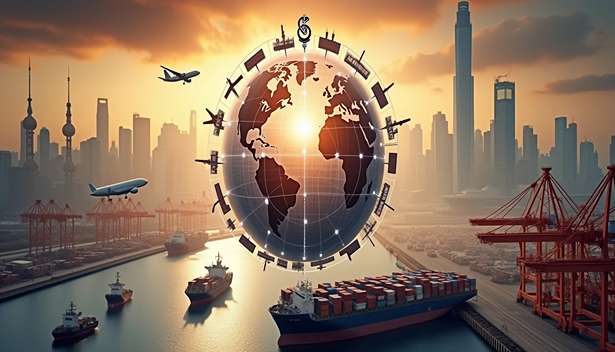
International transportation is one of the main pillars of global trade and plays a vital role in moving goods between countries.
Choosing the right shipping method, managing costs, understanding regulations, and completing customs clearance are all crucial factors that can determine the success or failure of a trade deal.
This article provides a comprehensive overview of all the key stages and principles of international freight forwarding.
1. What Is International Transportation?
International transportation is the process of moving goods from one country to another through sea, air, land, or a combination of these modes.
Beyond physical movement, it also involves legal, insurance, customs, and logistics operations that are essential to ensure safe and efficient delivery.
2. Choosing the Right Mode of Transport
The choice of transport depends on the type of goods, budget, delivery time, and destination.
The most common methods are as follows:
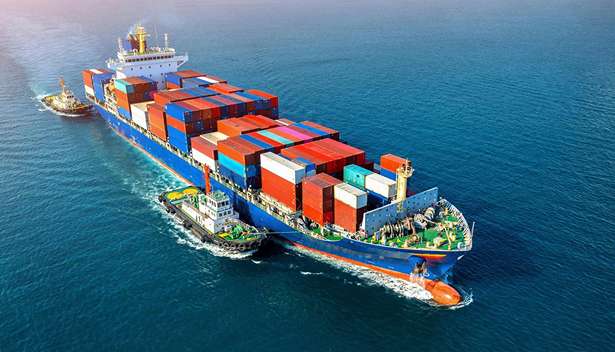
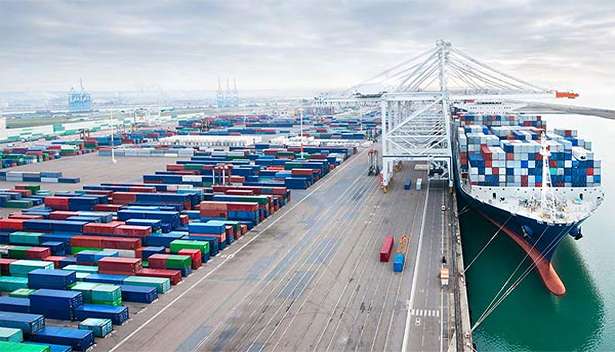
🚢 Sea Freight
-
Best for bulky and heavy goods
-
Most economical option for large-scale trade
-
Slower speed but high capacity
✈️ Air Freight
-
Fastest method of transportation
-
Suitable for valuable, sensitive, or perishable goods
-
Higher cost compared to other options
🚛 Road Freight
-
Ideal for neighboring countries with land borders
-
High flexibility and door-to-door delivery
-
Limited by distance and capacity compared to sea transport
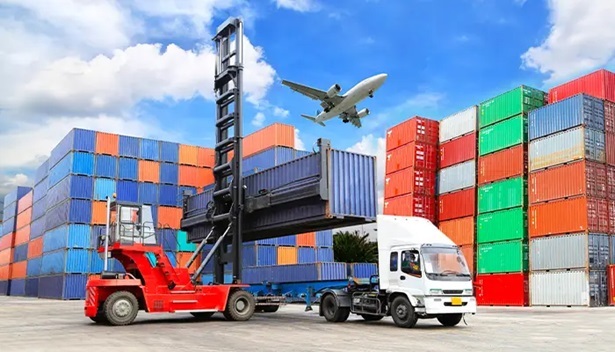
🔄 Multimodal Transport
-
Combination of multiple modes (e.g., sea + road, air + road)
-
Optimized for time and cost efficiency
3. Essential Documents for International Shipping
Accurate and complete documentation is critical for smooth customs clearance.
The key documents include:
-
Commercial Invoice
-
Packing List
-
Bill of Lading / Air Waybill
-
Certificate of Origin
-
Cargo Insurance Policy
4. Cargo Insurance in International Transport
No shipment should ever be made without insurance.
Cargo insurance covers potential losses caused by accidents, theft, or natural disasters during sea, air, or land transport, helping minimize commercial risks in international trade.
5. Customs Clearance Process
Customs clearance is the final — and often most sensitive — stage of international shipping. It typically includes:
-
Registering the shipment in customs systems
-
Submitting shipping and purchase documents
-
Paying customs duties and taxes
-
Inspection by customs authorities
-
Issuance of the clearance certificate and release of goods
6. Key Factors in Choosing an International Shipping Company
-
Proven experience in global trade routes
-
Reliable representatives and partners abroad
-
Full cost transparency
-
24/7 customer support and after-shipment services
-
Ability to handle customs clearance professionally
Conclusion ✅
International transportation is far more than just moving goods from one place to another — it’s a complex, multi-step process requiring expertise, coordination, and precise planning.
Partnering with a reliable international logistics company can help you save time and money, minimize legal and commercial risks, and ensure your global trade operations run smoothly.