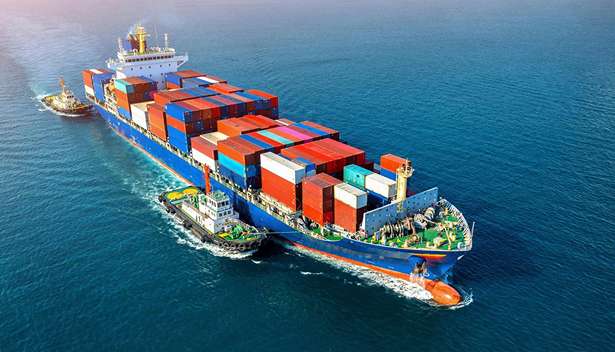
International Transportation: The Backbone of Global Trade
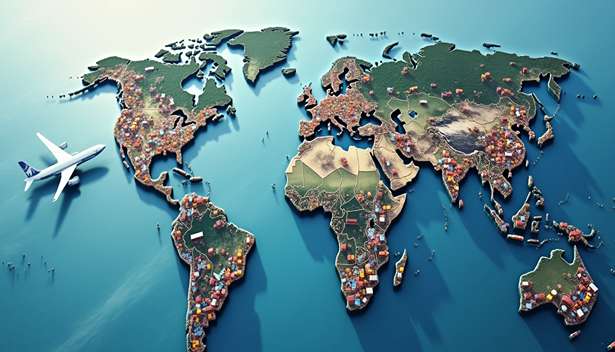
International transportation is the backbone of global commerce. Importers and exporters rely on various shipping methods — sea, air, and land — to move their goods to different destinations.
Each method has its own characteristics, advantages, and limitations, and choosing the right one can play a decisive role in the success of a business transaction.
1. Sea Freight 🌊
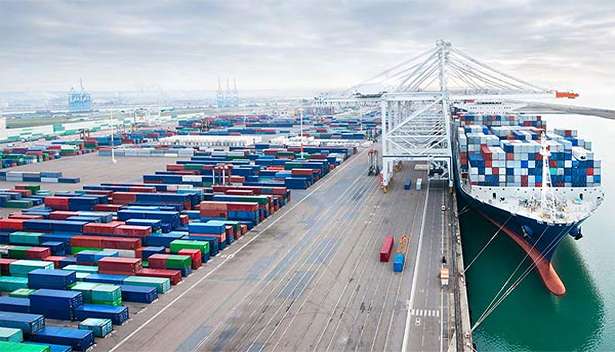
Sea freight is the most common and oldest method of transporting goods worldwide. More than 80% of global trade is carried out via maritime routes.
Advantages:
-
Cost-effective for large and heavy cargo
-
High capacity (thousands of tons in a single voyage)
-
Ideal for long-distance intercontinental routes
Disadvantages:
-
Slow speed (delivery may take several weeks)
-
Possible delays due to weather conditions or port congestion
-
Requires more coordination for customs clearance
Common Uses:
-
Raw materials (oil, iron ore, wheat)
-
Bulk and containerized goods
-
Large industrial equipment
2. Air Freight ✈️
Air freight is the fastest method of international shipping and is most suitable for urgent or sensitive cargo.
Advantages:
-
High speed (delivery within days or even hours)
-
Greater security compared to other methods
-
Ideal for high-value or time-sensitive goods
Disadvantages:
-
Very high cost compared to sea or land transport
-
Limited cargo space and weight capacity
-
Dependent on flight schedules and airline availability
Common Uses:
-
Perishable goods (pharmaceuticals, fresh fruits, flowers)
-
Sensitive electronic components
-
High-value items (gold, jewelry, luxury goods)
3. Land Transport 🚛
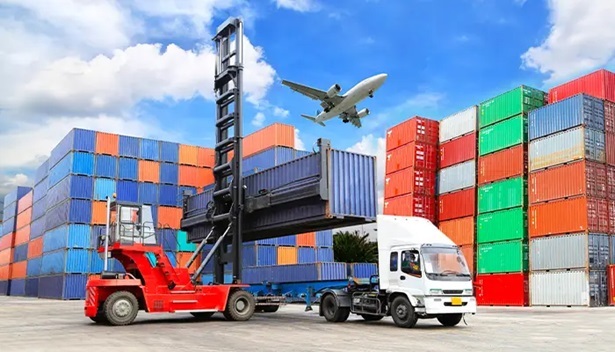
Land transport — by truck or rail — is most commonly used between neighboring countries with shared borders.
Advantages:
-
High flexibility (shipments can move anytime)
-
Suitable for short and medium distances
-
Door-to-door delivery capability
-
Lower cost compared to air transport
Disadvantages:
-
Geographical limitations (only for land-connected countries)
-
Possible delays due to border checks or traffic
-
Lower capacity compared to ships
Common Uses:
-
Imports and exports between neighboring countries
-
Medium and light cargo
-
Everyday consumer goods
4. General Comparison
| Transport Method | Cost | Speed | Capacity | Security |
|---|---|---|---|---|
| Sea Freight | Low | Slow | Very High | Moderate |
| Air Freight | High | Very Fast | Limited | Very High |
| Land Transport | Medium | Moderate | Limited | Moderate |
Choosing the Right Shipping Method
Selecting the most suitable method of international transportation depends on the type of goods, destination, budget, and timeline. In summary:
-
If cost matters more than time → Sea freight is the best option.
-
If speed is critical → Air freight is the right choice.
-
If the destination is nearby and accessible by land → Road or rail transport is faster and more economical.
A reliable logistics company can analyze your business needs, recommend the most effective transportation method, and optimize the entire logistics process for efficiency, cost, and reliability.