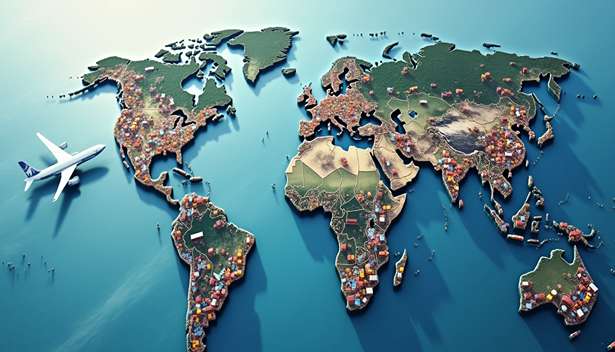
The Impact of Sanctions on International Transportation Routes
Introduction
In today’s highly interconnected world, international transportation plays a vital role in sustaining global trade and supply chains. However, the imposition of economic sanctions by major powers such as the United States, the European Union, or the United Nations can disrupt the free flow of goods and capital. These sanctions affect not only the target country but also international companies and even third-party nations involved in global trade networks.
1. The Impact of Sanctions on Maritime Routes
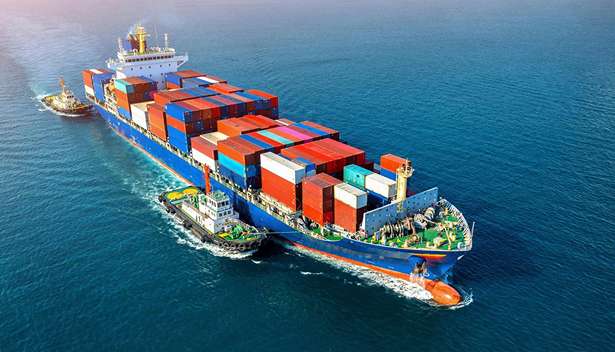
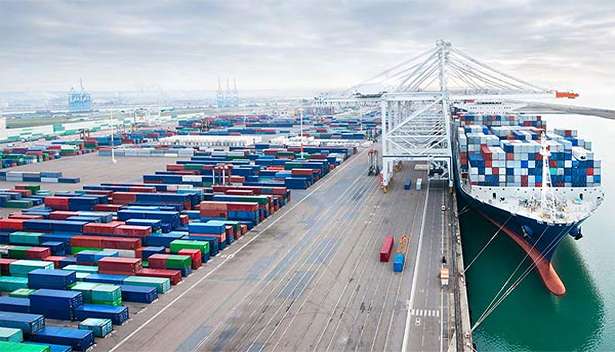
Maritime transportation, as the cheapest and most capacious mode of cargo movement, suffers the greatest impact from sanctions. In cases such as those imposed on Iran, Venezuela, and Russia, many international shipping lines have refrained from docking at the ports of these countries. Furthermore, international insurers are unwilling to cover the risks of vessels traveling to sanctioned ports, which in turn raises transportation costs and forces ships to reroute through intermediary ports such as Jebel Ali, Istanbul, or Singapore.
2. The Impact of Sanctions on Land Transportation
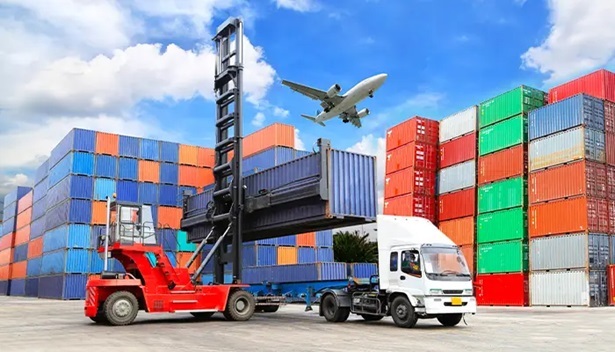
Sanctions can also disrupt land transportation routes. Restrictions on financial transactions and the prohibition of cooperation between transport companies and sanctioned countries cause goods to be redirected from direct to indirect routes. For instance, following the sanctions on Russia after the Ukraine war, many companies have altered traditional trade routes from Europe to Asia, opting instead for alternative pathways through Kazakhstan and China.
3. The Impact of Sanctions on Air Transportation
In the aviation sector, sanctions often manifest as restrictions on the sale of aircraft, spare parts, and maintenance services. Airlines in sanctioned countries are forced to operate older fleets and to conduct their flights through indirect routes. For example, aviation sanctions against Iran have compelled many international flights to make stopovers in third countries, thereby increasing travel times and overall costs.
4. Economic and Geopolitical Consequences
The rerouting of international transportation as a result of sanctions not only raises logistical costs but also negatively affects the competitiveness of nations. Countries located along alternative routes—such as Turkey, the United Arab Emirates, or China—may benefit from this situation, while the sanctioned country and its trading partners face declining exports, longer transit times, and higher final product costs.
5. Strategies to Mitigate the Effects of Sanctions
-
Developing Regional Corridors: Establishing new transit routes among allied nations can help offset the adverse effects of sanctions.
-
Using Local Currencies in Trade: Reducing dependence on the U.S. dollar in international payments can lessen the pressure of financial sanctions.
-
Investing in Rail and Port Infrastructure: Enhancing logistical infrastructure allows countries to attract more cargo th
Conclusion
Sanctions, by creating barriers in international trade, alter traditional global transportation routes and lead to the reconfiguration of logistics networks. Although they can serve as an effective political pressure tool in the short term, in the long run they contribute to the formation of new trade alliances and alternative transportation corridors that may fundamentally reshape the global trading order.